
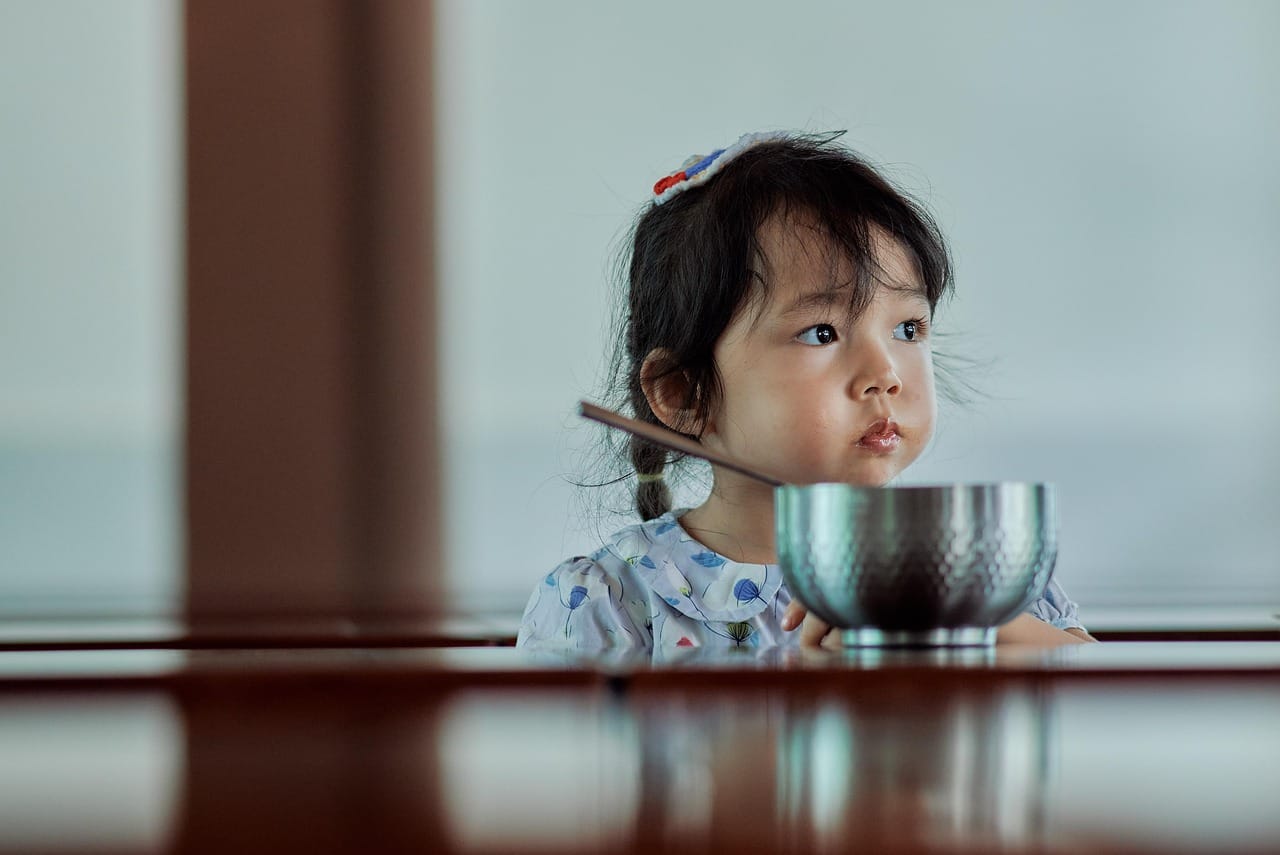
Healing The Past: recovering from childhood trauma
Often what brings the individuals I work with to therapy is the residue of childhood trauma: anxiety, depression, chronic tension and stress, difficulties trusting others, not feeling understood etc. What happened to you in early life—abuse, neglect, loss, instability, parents in constant conflict, and so on—can leave lasting marks on how you think, feel and interact with others.
You may be moving through life checking all the boxes. From the outside, maybe no one would guess that you’re struggling on the inside. That is likely a strategy you learned in childhood. Your experiences shaped your mastery at masking, and concealing the wounds you’ve endured. You might not even realize that you do it. How often you put on a smile and seem fine. Maybe you are aware that you’re hiding things from others, and even yourself, yet sometimes habits or strategies shaped by survival are the most challenging to stop relying on.
Transgenerational Trauma, Historical Trauma
Often the stressors of displacement, immigration and history get passed along as heavy burdens onto the next generations. Whether or not you know what happened, likely there was sociopolitical unrest, turmoil, cultural, ethnic, racial and/or religious persecution, war and violence, lack of safety, limited resources, restrictions etc. Many complex conditions often trigger migration(s) and seeking refuge, or opportunities, elsewhere. And if not the direct experiences of your parents, then likely somewhere along the line before them.
Chronic stress and impulses to survive frequently contribute to patterns of minimizing and denying feelings. As well, forgetting in order to go on with living. While such strategies can be protective, they can also stunt development, resulting in emotional immaturity. Ongoing fear and scarcity mindset can become the baseline for some, who may not know how to settle into a neutral, relaxed state. Never feeling safe creates patterns at deep levels of the nervous system, and many related behaviors.
So often historical events and past traumas are unprocessed, too painful, and not faced. So then there is a family habit: don’t talk about it. Don’t look back. Keep pushing forward. Whether or not you know why, patterns of shame get passed from generation to generation. Though some parents of color may talk about the past, they might only share bits and pieces. Often when traumatic experiences remain unmetabolized, there isn’t a cohesive narrative.
Long-standing patterns of chronic stress and survival energy resulting from traumatic experiences can contribute to mental health conditions, physical ailments and so forth. Unfortunately, communities of color often are reluctant to seek mental health support, deny needing help and hide suffering. Some of the skepticism about help-seeking may very well be warranted—from feeling misunderstood or even bad experiences. However, many also uphold limiting beliefs and unexamined, outdated notions of stigma, or taboo. Various layers of shame frequently are part of the obstacles to seeking help for mental health, medical, and otherwise.
Those who moved away from family and community—everything that was familiar—in hopes of finding better opportunities and perhaps even more freedom, may not have anticipated losses. So often multigenerational webs of relationships provide resources, such as someone in known circles who saw this doctor, acupuncturist, herbalist, traditional healer etc. When there are such existing connections, sometimes there’s a little more openness to trust someone recommended. Even still, sometimes patterns of denial and rejecting help unfortunately prevail. Such behaviors commonly result from trauma. Moreover, the challenges of navigating healthcare in this country can feel overwhelming, daunting and insurmountable to many. Sadly, scarcity mindset also plays a role in not getting appropriate care.
Unless you (as an immigrant) or your relatives (as an adult child of immigrants) moved and joined up with other family members, or any other existing community ties, the loss of familial networks, and inherently less social support, is an unforeseen disadvantage for many. This can impact generations thereafter.
[More on grief and trauma in a forthcoming post]
Healing from childhood and generational trauma isn’t about erasing the past. The impacts of trauma aren’t washed away in a generation simply from surviving. It may take more effort than you wish to undo generational burdens of trauma, yet it is possible. Intentional ancestral and generational healing in therapy can make it so that the effects of trauma eventually grow fainter and fainter.
What’s one pattern, which you attribute to an inherited legacy of trauma, that you’d like to transform?
Asians Do Therapy
Convos From The Couch
Hats Off
Latinx Therapy
The Mindful Muslim